


Welding stainless steel can quickly turn into a challenge if the wrong welding rod is used. Many people search for a welding rod for stainless steel because they want clean welds that stay strong and resist rust over time.
Stainless steel reacts differently to heat than regular steel, so the filler material matters more than most expect.
Choosing the right welding rod helps prevent cracking, discoloration, and early failure, so keep reading to understand what really works and why it matters.
Key Takeaways
- A welding rod for stainless steel must be compatible with the base metal
- Stainless steel welding rods are designed to resist corrosion and cracking
- Rod numbers like 308 and 309 help identify the correct application
- The right welding rod improves weld strength, appearance, and lifespan
Understanding a Welding Rod for Stainless Steel
A welding rod for stainless steel is specifically made to join stainless steel while preserving its corrosion resistance. These rods contain alloying elements that help the weld stay strong even after heating and cooling.
Using the wrong rod can lead to weak joints and surface rust. That is why stainless steel welding rods are not interchangeable with mild steel rods.
Purpose and Use of a Welding Rod for Stainless Steel
The purpose of a welding rod for stainless steel is to create a durable bond without damaging the metal’s protective properties. Stainless steel expands and cools at different rates, so the welding rod must handle thermal stress well.
Proper rods also help maintain a clean weld finish. This is especially important for food equipment, outdoor projects, and structural parts.
Main Types of Welding Rod for Stainless Steel

Different welding processes require different welding rods for stainless steel. Choosing the correct type depends on how the weld will be made and where it will be used.
Stick Welding Rod for Stainless Steel
Stick welding rods for stainless steel are commonly used for repairs and outdoor work. They are forgiving and work well in less controlled environments.
Common benefits
- Works well outdoors
- Suitable for thicker stainless steel
- Simple equipment requirements
For stick welding stainless steel, stable machines and protective gear matter. ArcCaptain welding machines and safety equipment are often chosen for reliable performance in these conditions.
Check These ArcCaptain Products You Can Shop
Explore More


TIG Welding Rod for Stainless Steel
TIG welding rods for stainless steel are used when precision and appearance are important. They are ideal for thin materials and visible welds.
Key advantages
- Clean and smooth welds
- Better heat control
- Strong corrosion resistance
A dependable TIG setup helps maintain consistent heat. ArcCaptain offers welding tools that support accuracy and control for stainless steel TIG work.
Some stainless steel projects are easier with MIG welding instead of rods. Don’t forget to browse How to MIG Weld Stainless Steel? to see when MIG welding is the better choice and how to do it right.
Stainless Steel Welding Rod Classification and Numbers
Welding rod numbers identify how a rod performs and what stainless steel it matches best. These numbers are based on chemical composition and strength.
Common Stainless Steel Welding Rod Numbers
|
Welding Rod Number |
Common Use |
Best Application |
|---|---|---|
|
308 |
Stainless to stainless |
General stainless fabrication |
|
309 |
Stainless to mild steel |
Mixed metal welding |
|
316 |
Corrosion resistant stainless |
Marine or chemical exposure |
|
312 |
High strength repairs |
Unknown or hard to weld steels |
Choosing the correct classification helps prevent cracking and corrosion. It also ensures the weld matches the base metal’s strength.
Understanding welding rod numbers becomes much easier when you see all options side by side. Discover Welding Rod Types: How to Choose The Right One to learn how stainless steel rods compare to other common welding rods.
Comparing 308 and 309 Welding Rod for Stainless Steel
308 and 309 welding rods are often compared when selecting a welding rod for stainless steel. Each serves a different purpose depending on the metals involved.
Using 308 Welding Rod for Stainless Steel
308 welding rods are best suited for welding stainless steel to stainless steel. They match common stainless grades and provide balanced strength and corrosion resistance.
Using 309 Welding Rod for Stainless Steel
309 welding rods are used when stainless steel is welded to mild steel. Their higher alloy content helps manage the differences between the metals.
Quick Comparison Table
|
Feature |
308 Welding Rod |
309 Welding Rod |
|---|---|---|
|
Metal type |
Stainless to stainless |
Stainless to mild steel |
|
Corrosion resistance |
High |
Moderate to high |
|
Common use |
Fabrication |
Repairs and mixed metals |
Best Welding Rod for Stainless Steel Applications

The best welding rod for stainless steel depends on the job and metal combination. Selecting the correct rod improves durability and reduces rework.
Stainless Steel to Stainless Steel Welding
Matching the rod to the stainless steel grade keeps the weld consistent and corrosion resistant.
Best practices
- Use rods designed for similar stainless grades
- Avoid mild steel rods for permanent welds
- Control heat to avoid warping
Stainless Steel to Mild Steel Welding
Welding stainless steel to mild steel requires rods designed for dissimilar metals. These rods help manage different expansion rates.
Helpful tips
- Expect color differences in the weld
- Focus on strength rather than appearance
- Use rods intended for mixed metals
Check These ArcCaptain Products You Can Shop
Explore More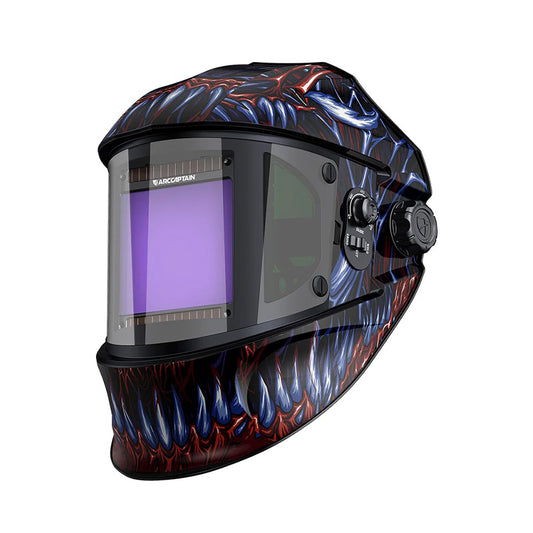

Special Welding Rod Requirements for Stainless Steel
Stainless steel contains elements that resist rust, which is why it needs special welding rods. Regular steel rods can damage these properties.
Special welding rods help:
- Preserve corrosion resistance
- Reduce cracking during cooling
- Extend weld life
Using proper rods is especially important in outdoor or moisture exposed environments.
Using Regular Welding Rods on Stainless Steel
Some regular welding rods can be used in limited situations, but they come with risks. Understanding these limits helps avoid poor weld quality.
Welding Stainless Steel with 6013 Rod
6013 rods are made for mild steel and are not suitable for stainless steel long term. The weld may hold temporarily but often rusts.
Common issues
- Reduced corrosion resistance
- Lower weld strength
- Shorter lifespan
Welding Stainless Steel with 7018 Rod
7018 rods provide more strength than 6013 but still do not protect stainless properties. They are sometimes used for temporary repairs.
Limitations
- Loss of rust resistance
- Possible cracking over time
- Inconsistent results
Selecting the Right Welding Rod for Stainless Steel
Choosing the right welding rod for stainless steel starts with identifying the base metal. Matching the rod to the application helps ensure strong and clean welds.
Key factors
- Stainless steel type
- Welding method used
- Exposure to moisture or heat
- Strength requirements
Reliable equipment also plays a role. ArcCaptain welding machines and accessories help maintain steady arcs and better heat control.
Choosing the correct welding rod for stainless steel can make or break your weld. Check out the full article What Welding Rod Should You Use For Your Project? to better understand how different rods work for different welding jobs.
Common Mistakes When Choosing a Welding Rod for Stainless Steel
Mistakes in rod selection often lead to weak or unattractive welds. Avoiding common errors improves results and saves time.
Common mistakes
- Choosing rods based on price alone
- Ignoring stainless steel grades
- Overheating the metal
- Using mild steel rods for permanent joints
Practical Tips for Using a Welding Rod for Stainless Steel
Even the right rod needs proper technique to perform well. Small habits make a big difference in weld quality.
Helpful tips
- Store rods in dry conditions
- Clean stainless steel before welding
- Control heat input
- Use proper safety gear
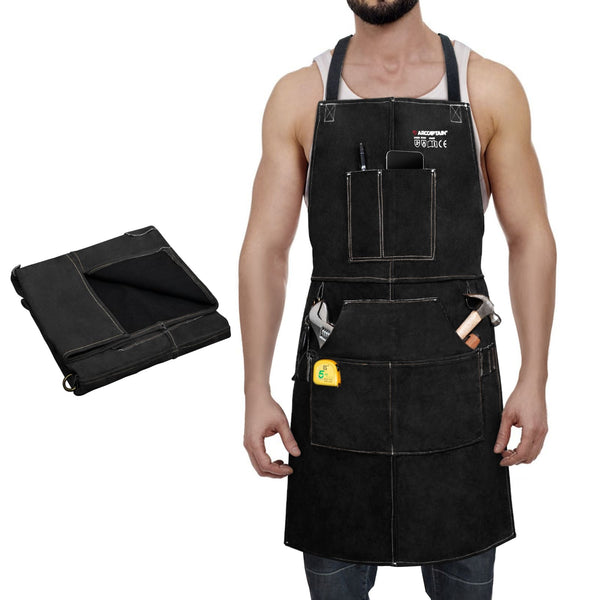
ArcCaptain welding helmets, gloves, and accessories help improve safety and comfort during stainless steel welding.
Conclusion
Choosing the right welding rod for stainless steel is essential for strong, clean, and long lasting welds. Matching the rod to the metal and application helps avoid common problems like rust and cracking.
With proper technique and reliable equipment, stainless steel welding becomes more consistent and efficient.
For high quality welding tools, welding machines, gears, and more welding products, ArcCaptain is a solid recommendation for supporting dependable stainless steel welding work.
FAQs About Welding Rod for Stainless Steel
What welding rod is used for stainless steel?
A welding rod for stainless steel is designed to match stainless metal properties. These rods help maintain strength and corrosion resistance. The correct choice depends on whether stainless is welded to stainless or to mild steel. Matching the rod improves weld durability.
Is 308 or 309 better for stainless to stainless steel?
308 is generally better for stainless to stainless steel welding. It matches common stainless grades and provides good corrosion resistance. 309 is better suited for mixed metal welding. The base metals determine the best option.
Can I weld stainless steel with 6013?
6013 rods are not intended for stainless steel. They can create a weld but do not protect against rust. Over time, the weld may fail. Stainless steel welding rods are a better choice.
Is 7018 good for stainless steel?
7018 rods offer strength but lack corrosion resistance for stainless steel. They may work for short term repairs. Long term performance is often poor. Dedicated stainless steel rods are recommended.
Do you need special rods to weld stainless steel?
Yes, stainless steel requires special welding rods. These rods protect against corrosion and cracking. Regular steel rods can weaken the weld. Using proper rods ensures longer lasting results.

What Is the 2F Welding Position?

7018 Welding Rod Uses: Applications, Benefits, and Best Practices

What is Spray Transfer Welding? (Beginner's Guide)

