

Raw metal is essentially useless on its own. It is just a heavy and dirty rock until human hands touch it.
If you dig iron ore out of the ground, you cannot drive it to work. You cannot cook dinner on it. You cannot build a bridge with it. The bridge between a lump of raw ore and a precision engine part is metal processing.
Whether you are bending sheet metal in a garage workshop or managing a large industrial assembly line, understanding how to manipulate metal is the foundation of all manufacturing. It is not just about hitting things with hammers anymore. It is a science. It involves heat, chemistry, force, and electricity.
In this guide, we are going to break down the complex world of metal processing and finishing. We will explore the specific techniques that turn raw stock into functional, durable, and beautiful products. We will look at how you cut it, how you join it, and how you finish it so it lasts forever.
Best Selling Welders
Explore More
What is Metal Processing?
At its simplest level, metal processing is any series of steps used to modify the shape, physical properties, or chemical properties of raw metal.
The goal is always the same. It is about increasing the value of the material by making it useful. A block of aluminum is worth a specific amount of money based on its weight.
But if you process that block into a cylinder head for a car engine, its value skyrockets. You have added utility through processing.
This journey starts at the refinery.
- Ore Extraction: Rocks containing metals are mined.
- Smelting: The metal is separated from the rock using extreme heat.
- Primary Processing: The molten metal is cast into ingots, blooms, or billets.
- Secondary Processing: This is where we come in. This is where the metal is rolled into sheets, drawn into wires, or cast into specific shapes.
When we talk about metal processing in a workshop context, we are usually talking about that secondary phase. We are taking stock material (like a tube, a sheet, or a rod) and turning it into something real.
The 4 Main Types of Metal Processing Techniques

There are thousands of specific tools in the metal industry. However, almost every single one of them falls into one of four categories. You are either reshaping the metal, removing parts of it, sticking pieces together, or pouring it into a mold.
1. Metal Forming (Reshaping without Removing)
Metal forming is the art of changing the shape of the metal without adding or removing any material. You are strictly rearranging the mass that is already there. This is usually done through mechanical force or heat.
→ Forging: This is the oldest method in the book. Blacksmiths have been forging for thousands of years. It involves heating the metal until it is soft (but not melting) and then smashing it into shape with a hammer or a press. Forging actually aligns the grain structure of the metal. This makes forged parts, like tools or engine pistons, incredibly strong.
→ Rolling: This is how we get sheet metal. You pass a thick slab of metal through two heavy rollers. It is like rolling out pizza dough. The metal gets thinner and longer. This can be done hot or cold. Cold rolling creates a smoother finish and tighter tolerances, while hot rolling is cheaper and faster.
→ Extrusion: Think of this like a Play-Doh factory. You heat up a billet of metal and force it through a shaped hole (a die). Whatever shape the hole is, that is the shape the metal takes as it comes out. This is how they make aluminum window frames, pipes, and complex trim pieces.
→ Bending: This is the most common technique for small shops. You take a flat sheet and force it to curve or fold. This sounds simple, but metal has "springback." It wants to snap back to its original shape. You have to over-bend it slightly to get the right angle.
Handling thin materials requires a delicate touch. If you bend it too sharply, it cracks. If you use too much heat, it warps.
You can learn more about the specific challenges of working with thinner gauges in our guide on Welding Sheet Metal. It explains why handling affects the final form so drastically.
2. Material Removal (Cutting and Machining)
Sometimes the best way to shape a part is to cut away everything that doesn't look like the part. This is "subtractive manufacturing."
Machining (Milling and Turning):
- Turning: This happens on a lathe. The metal part spins really fast, and a stationary cutting tool shaves layers off. This is perfect for making round parts like bolts, shafts, and table legs.
- Milling: This is the opposite. The metal part sits still, and a spinning cutting tool moves around it to carve out shapes. This is how you make flat surfaces, slots, and complex 3D shapes.
→ Grinding and Abrasive Cutting: This uses a rough wheel to rub away the metal. It is slower than a cutting tool but much more precise for finishing surfaces. It is also the go-to method for cutting hard metals that would break a normal knife-edge tool.
→ Thermal Cutting: This includes plasma cutters, laser cutters, and oxy-fuel torches. Instead of a blade, you use heat to blow the metal away. It is fast and can cut through very thick plates.
→ Gouging: Sometimes you need to remove a specific amount of metal quickly, especially to remove a bad weld or create a groove for a new weld. This is often done with an electric arc and compressed air. It is a violent and loud process, but it is necessary for heavy repairs.
We cover this intense method in our article on What is Arc Gouging. It is a prime example of removal processing used for correction.
3. Metal Joining (Welding and Assembly)
Once you have your parts cut and formed, you usually need to stick them together. This is metal joining.
Mechanical Fastening: Bolts, screws, and rivets. These are great because you can take them apart later. However, they create weak points (holes) in the metal and can rattle loose over time.
Welding: Welding fuses the two pieces of metal into one single piece. It melts the base metal and usually adds a filler material. When done right, the weld is often stronger than the original metal.
- MIG Welding: Uses a spool of wire. It is fast and easy to learn.
- TIG Welding: Uses a handheld rod. It is slow but beautiful and precise.
- Stick Welding: Uses a flux-coated electrode. It is dirty but works outdoors in the wind.
This category ranges from fixing a garden fence to massive structural projects. (You can read about the scope of these projects in our post on Industrial Welding and Fabrication.)
To do this well, you need versatile tools. A modern shop often uses a machine that can handle multiple types of welding.
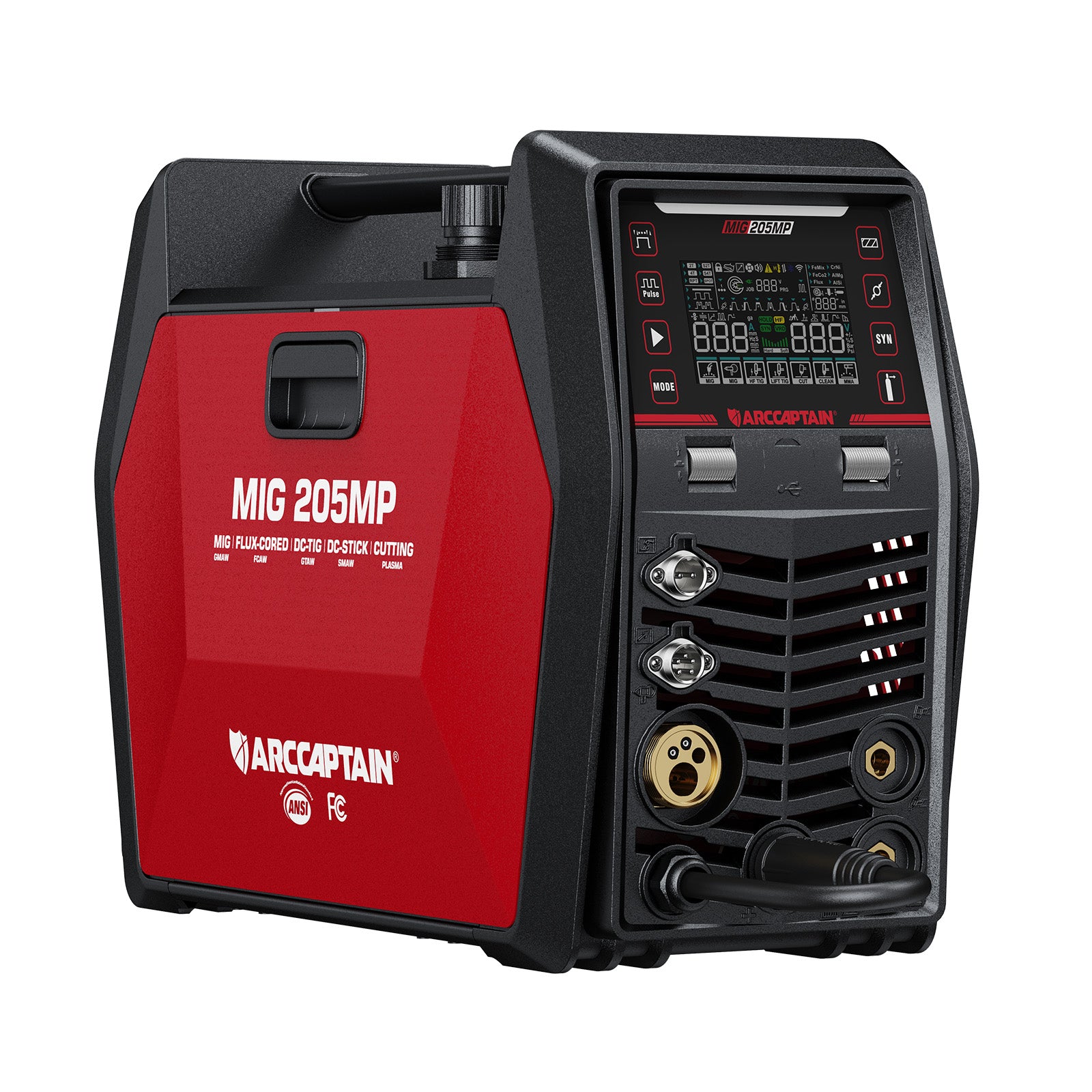
For an example of modern processing technology, check out the ArcCaptain MIG205 Pro Guide. It shows how one tool can handle different joining processes.
4. Casting (Molding Molten Metal)
Casting is creating a shape by pouring liquid metal into a mold and letting it cool.
→ Sand Casting: You make a mold out of packed sand. You pour iron or aluminum into it. When it cools, you break the sand away. This is great for engine blocks and heavy machine bases. The surface finish is rough, so it usually needs machining afterward.
→ Die Casting: This is like plastic injection molding but for metal. You force molten metal into a steel mold under high pressure. This is very fast and precise. It is used for making millions of small parts like Hot Wheels cars or zipper pulls.
→ Investment Casting: Also known as "lost wax" casting. You make a model out of wax, coat it in ceramic, melt the wax out, and pour metal in. This is used for jewelry and turbine blades because it captures incredible detail.
What is Metal Finishing?
You have cut your metal. You have welded it. You have ground it smooth. Are you done? No.
If you stop now, your part will rust, tarnish, or wear out. Metal finishing is the final step intended to protect the surface or improve its appearance. It is the skin of the product.
Surface Treatment vs. Coating
There are two main ways to finish metal. You can either change the metal surface itself, or you can paint something on top of it.
1. Surface Treatment: This changes the chemical makeup of the metal's exterior.
- Anodizing: This is used on aluminum. It uses electricity and acid to thicken the natural oxide layer. It makes the aluminum super hard and allows it to absorb colored dyes. If you have a colorful aluminum phone case, it is anodized.
- Passivation: This is used on stainless steel. It uses citric or nitric acid to remove free iron from the surface. This prevents rust spots from forming.
- Polishing: This uses fine abrasives to smooth the surface until it reflects light. It is not just for looks. A smooth surface is easier to clean and has fewer places for bacteria or rust to hide.
2. Surface Coating: This puts a layer of different material over the metal.
- Powder Coating: You spray dry plastic powder onto the metal and bake it in an oven. The powder melts and forms a hard, durable shell. It is tougher than paint.
- Galvanizing: Dipping steel into molten zinc. The zinc sacrifices itself to rust so the steel doesn't have to. This is why guardrails and streetlights are grey.
- Electroplating: Using electricity to coat a cheap metal with a fancy metal. This is how you get gold-plated jewelry or chrome bumpers.
Why Finish Metal?
→ Corrosion Resistance: This is the big one. Oxygen and moisture want to eat your metal. Finishing seals the metal off from the environment.
→ Tarnish Resistance: Copper and brass look great when polished, but they turn brown or green quickly. A clear lacquer finish keeps them shiny.
→ Electrical Conductivity: Sometimes you plate a contact with silver or gold to make electricity flow better.
→ Electrical Resistance: Anodized aluminum actually stops electricity. It acts as an insulator.
→ Aesthetics: Let's be honest. We like shiny things. A good finish makes a product look professional and expensive.
Metal Processing vs. Metal Fabrication: What’s the Difference?

You will hear people use these terms interchangeably. They are related, but they are not the same thing.
→ Metal Processing: This usually refers to the production of the raw material or the modification of its properties. Rolling a steel beam is processing. Casting an engine block is processing. It is often done at a mill or a foundry. It is about creating the "stock" or the component.
→ Metal Fabrication: This refers to building structures from that processed metal. Taking that steel beam, cutting it to length, and welding it to another beam to make a building frame is fabrication. Bending a sheet of processed steel into a box is fabrication.
→ The Overlap: In a small shop, you do both. You might process a rod by turning it on a lathe, and then fabricate a frame by welding that rod to a plate. A good welder needs to understand both. You need to know how the processing (like cold rolling) put stress into the metal so you can predict how it will warp during fabrication.
Essential Tools for Metal Processing
You cannot do quality work with bad tools. Metal is hard and unforgiving. If your tools are weak, the metal will win.
→ Cutting Tools: You need an angle grinder with good cutoff wheels. For cleaner cuts, a bandsaw or a cold saw is essential. If you are doing shapes, a plasma cutter is a game-changer.
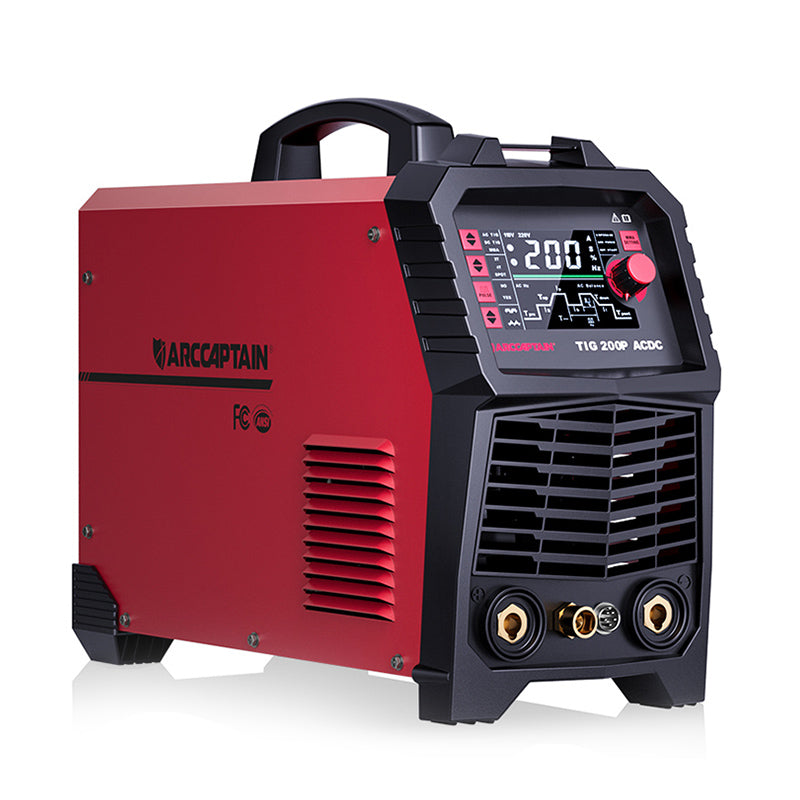
→ Joining Tools: A reliable welder is the heart of the shop. Modern multi-process units let you switch between MIG, TIG, and Stick without buying three machines.
→ Finishing Tools: You need sanders, polishers, and buffers. You also need chemicals for cleaning and degreasing.
→ Measuring Tools: Metal processing is precise. You need calipers, squares, and scribes. "Eyeballing it" does not work when you are trying to fit parts together.
If you are looking to start or upgrade your setup, remember that precision starts with the right gear.
You can find a wide range of Metal Fabrication Tools that cover cutting, clamping, and measuring.
For the actual joining, the power source is everything. Inconsistent power leads to weak welds. Check out high-quality Metal Welders to ensure your processing results are structurally sound.
Conclusion
Metal processing and finishing are the essential skills that transform raw elements into the machines and structures we use every day.
It is a journey that takes a raw rock from the earth and turns it into a spaceship, a medical tool, or a kitchen sink. Every step matters. The way you cut the metal affects how well it fits. The way you weld it affects how strong it is. The way you finish it determines if it will last for one year or one hundred years.
From the heavy force of forging and the precision of arc gouging to the delicate touch of final finishing, you have to respect the material. Understanding the difference between processing, fabrication, and finishing ensures you pick the right method for your project.
Don't rush the process. If you skip the cleaning, the finish will fail. If you rush the welding, the joint will fail. Master the steps, and the metal will serve you well.
Ready to upgrade your workshop capabilities?
You have the knowledge. Now you need the tools.
- Equip yourself with professional Metal Fabrication gear to handle every step of the process.
- Discover versatility with our best Multi Process Welders that let you tackle any project that walks through the door.
Frequently Asked Questions (FAQs)
We hear these questions often from people just getting into the trade.
What is the most common metal processing technique?
In terms of volume, casting and rolling are the most common because that is how raw metal is made. In terms of fabrication shops, cutting and welding are the pillars. Almost every project involves cutting a piece of metal to size and then sticking it to something else.
Is heat treating considered metal processing?
Yes. Even though you aren't changing the shape, you are processing the internal structure. Heat treating involves heating the metal and cooling it at a specific rate to change its hardness or strength. Hardening a knife blade or annealing a copper pipe are both forms of thermal processing.
What is the difference between finishing and polishing?
Polishing is just one type of finishing. Polishing is mechanical; it uses abrasives to make the surface smooth. Finishing is the broad category. Painting is finishing. Anodizing is finishing. Plating is finishing. You can finish a part without polishing it (like matte powder coat), and you can polish a part without adding a chemical finish.
Can you process metal at home?
Absolutely. You do not need a giant factory. With a multi-process welder, an angle grinder, a drill press, and a bench vise, you can perform cutting, joining, forming, and finishing right in your garage. Many small businesses start exactly this way.


